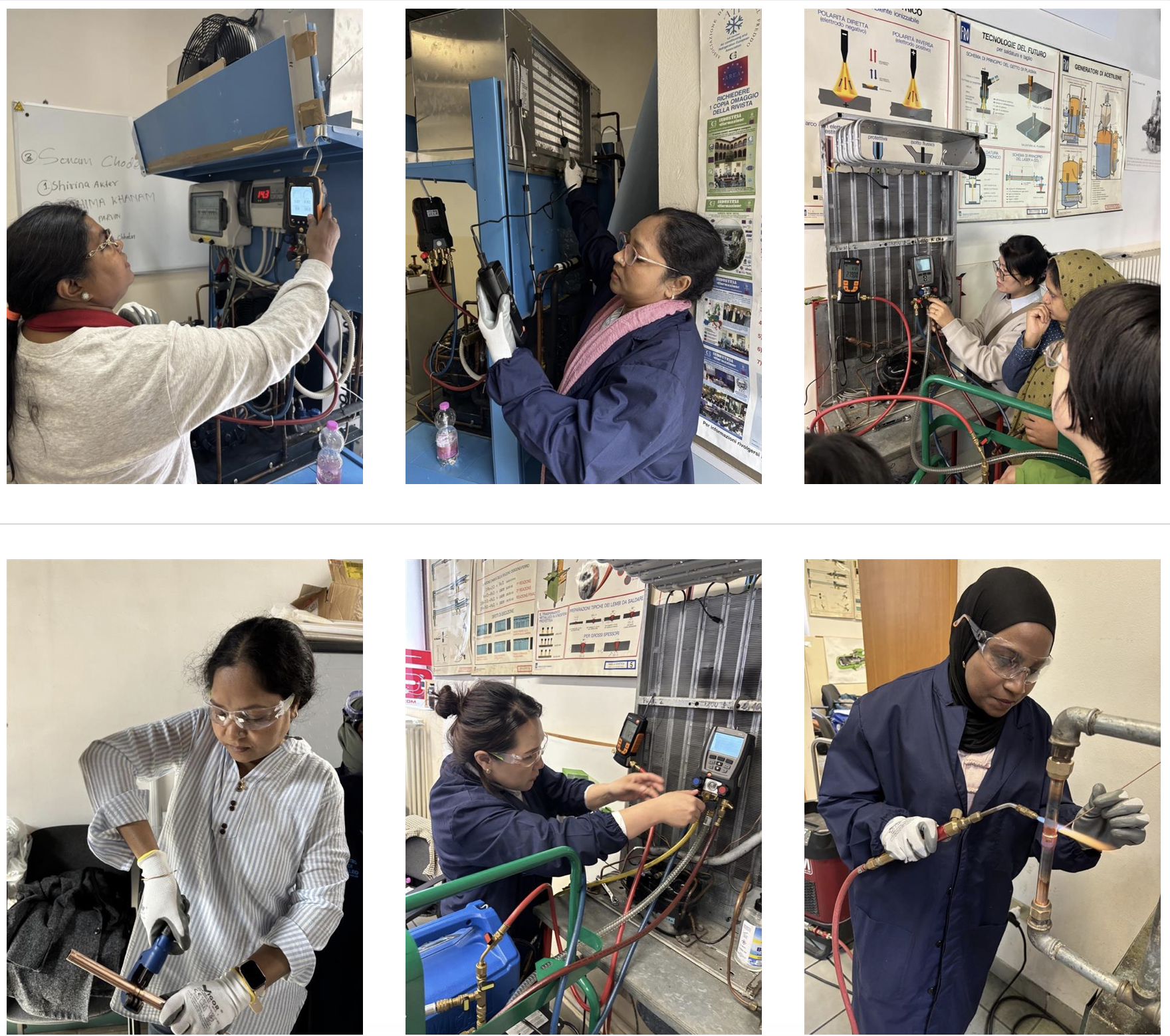
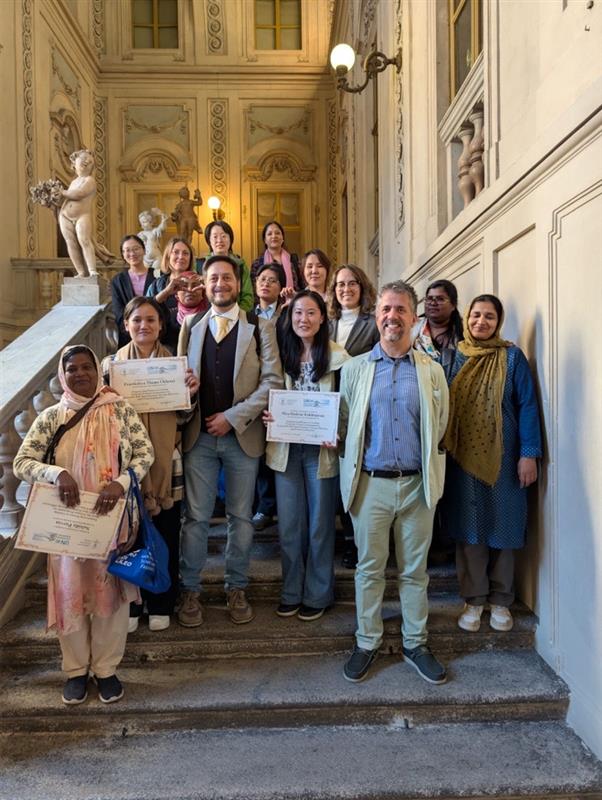
Casale Monferrato, Italy, 8 May 2026 – Eleven female refrigeration and air‑conditioning (RAC) professionals from six South Asian countries successfully completed the International Training of Trainers (ToT) Programme for RAC Certification Trainers and Assessors, organized by UNEP OzonAction under the Compliance Assistance Programme (CAP) and hosted by the Italian Association of Refrigeration Technicians (ATF).
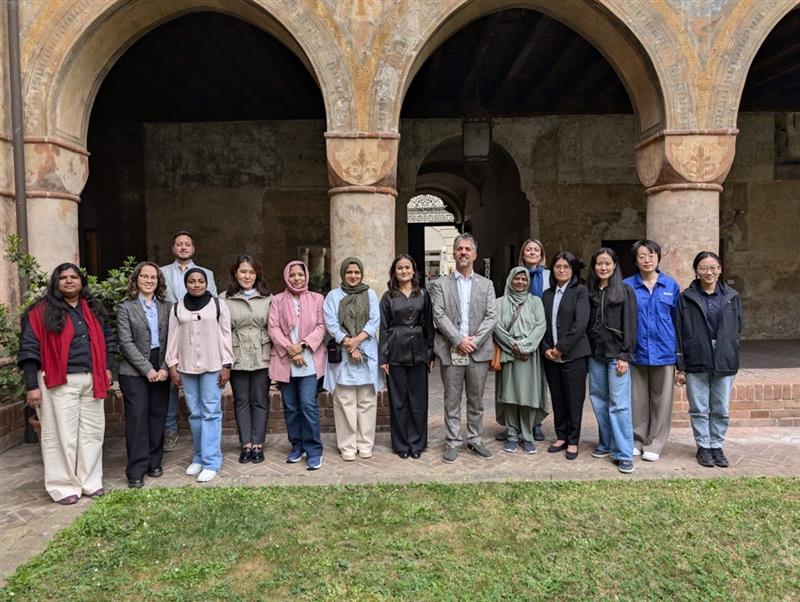
Participants from Bangladesh, Bhutan, China, the Maldives, Mongolia, and Nepal took part in the intensive five‑day programme, which focused on RAC best practices, safe handling of fluorinated gases, and the transition to low‑GWP natural refrigerants. The training was supported by the Multilateral Fund for the Implementation of the Montreal Protocol.
The programme addressed persistent capacity gaps faced by Article 5 countries in delivering high‑quality training and implementing competency‑based certification systems. At the same time, it responded to the Multilateral Fund’s gender mainstreaming policy by strengthening the technical and pedagogical capacities of women professionals in a sector where female participation remains limited.
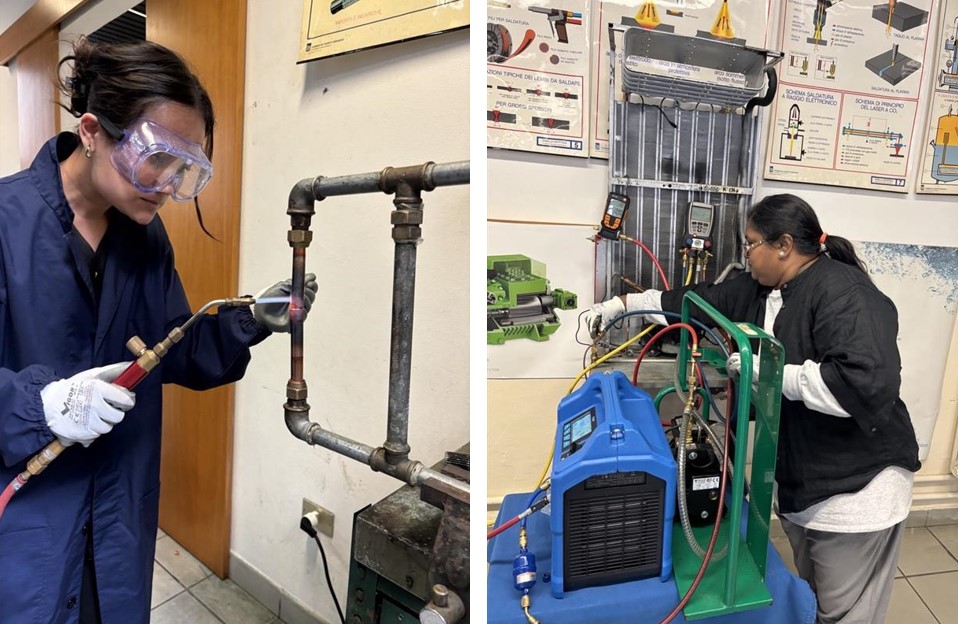
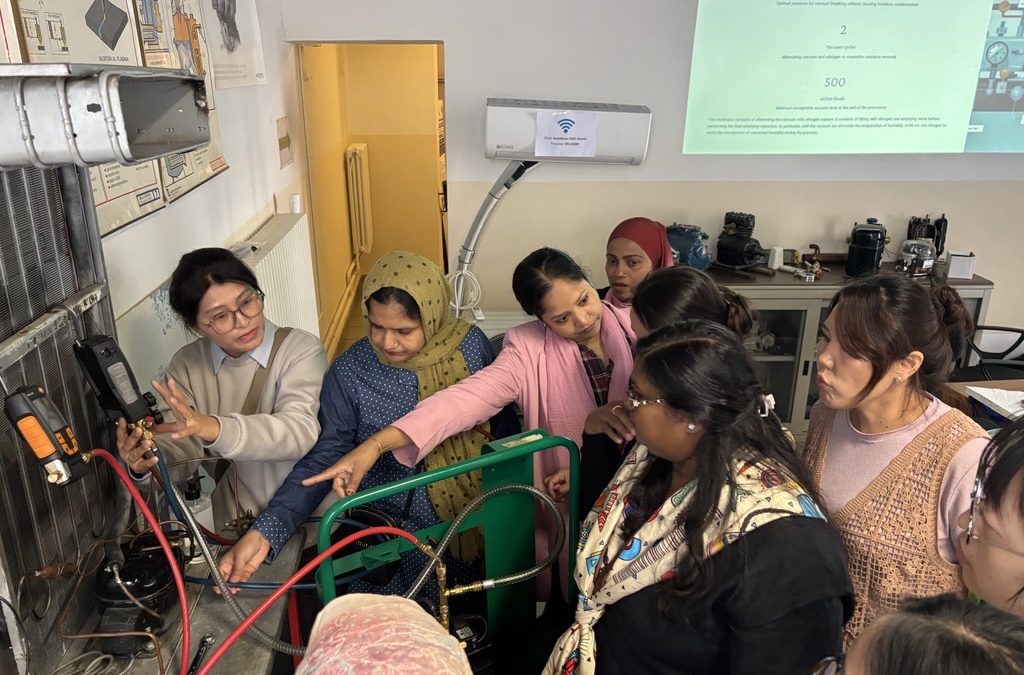
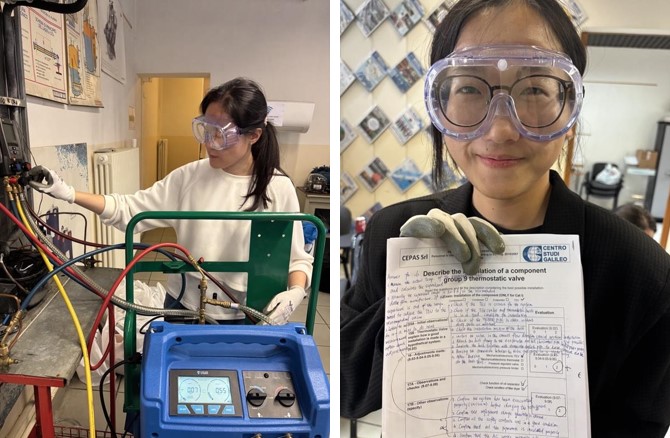
The curriculum combined theoretical sessions with hands‑on practical training. Key topics included certification systems and assessment methods, environmental and safety aspects of refrigerants, energy‑efficient technologies, installation and piping best practices, leak prevention, pressure testing, evacuation, charging, and system performance monitoring. Participants also engaged in practical exercises such as brazing and recovery, vacuuming and recharging the refrigeration equipment.
At the conclusion of the programme, participants were offered the opportunity to sit for the EU F‑Gas Certification examination, the mandatory qualification in the European Union for professionals handling fluorinated greenhouse gases in refrigeration and air‑conditioning servicing activities. Ten participants successfully passed both the theoretical and practical examinations and will receive their official EU F‑Gas certificates, further strengthening their qualifications as trainers and assessors in climate‑friendly RAC servicing.
Primarily focused on strengthening technical competencies, the agenda also intentionally incorporated two structured discussions on gender equality and women’s participation in the RAC sector.
The first discussion, led under the UNEP OzonAction gender mainstreaming session, examined systemic challenges faced by women in the RAC sector. Using global and regional evidence from Women in Cooling surveys and country case studies, participants reflected on barriers such as limited access to technical training and certification, lack of mentorship and role models, inadequate workplace facilities, gender stereotypes, and non‑inclusive working conditions. The exchange allowed participants to compare experiences across countries and highlighted the importance of gender‑responsive policies, safe work environments, and institutional support in enabling women to enter and remain in the sector.
The second discussion addressed solutions, networking, and leadership pathways, highlighting how initiatives such as the International Network of Women in Cooling (INWIC) support mentoring, peer exchange, and career advancement for women in the RAC sector. Participants explored how those initiatives can help women overcome isolation and advance professionally. The discussion emphasized the role of female trainers as leaders and role models, not only in building and transferring technical skills but also in inspiring future generations, promoting inclusive training environments, and advocating for gender‑responsive approaches within certification systems and national RAC programmes.
By the conclusion of the training, participants enhanced their ability to deliver national‑level training, support competency‑based certification frameworks, and promote safe, climate‑friendly RAC servicing practices in their home countries. They are expected to play a key role in building local training capacity, supporting the implementation of HCFC phase‑out and HFC phase‑down activities, and advancing women’s leadership in the RAC sector across the South Asia network.